

The new standard is not just customization. It is controlled iteration.
Get a DemoSee controlled orthotic iteration in a live 30-minute demonstration.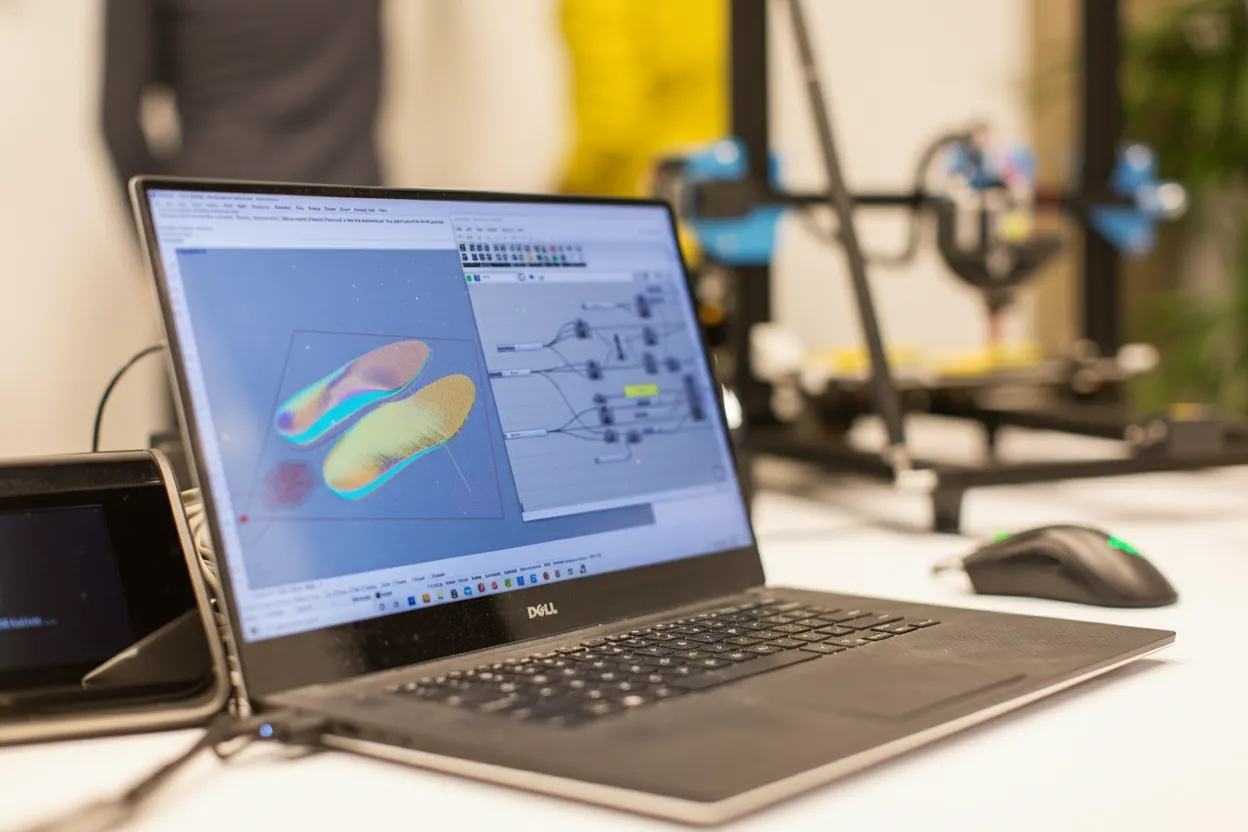
The Problem with One-Shot Orthotics
Traditional workflows force you to finalize the orthotic design before you see how the patient responds. Once the lab ships the device, the decision is locked in.
If the correction is too aggressive, too passive, or misaligned with the patient's tolerance, you start over. New impression. New order. Another two-week wait.
This is not a design flaw in the orthotic. It is a limitation of the workflow.
A New Therapeutic Logic
Orthotic therapy should follow the same logic as any clinical prescription:
- Assess
- Prescribe
- Evaluate response
- Adjust the dose
- Refine over time
Correction is not binary. It has a dose.
More arch rigidity for a progressive flat foot. Less forefoot offloading as symptoms improve. A shift in posting angle after gait re-evaluation.
These are clinical decisions. They should not require restarting from zero.
How It Works in Practice
1. Initial Assessment
Design the first orthotic based on your clinical assessment.
2. Print & Fit
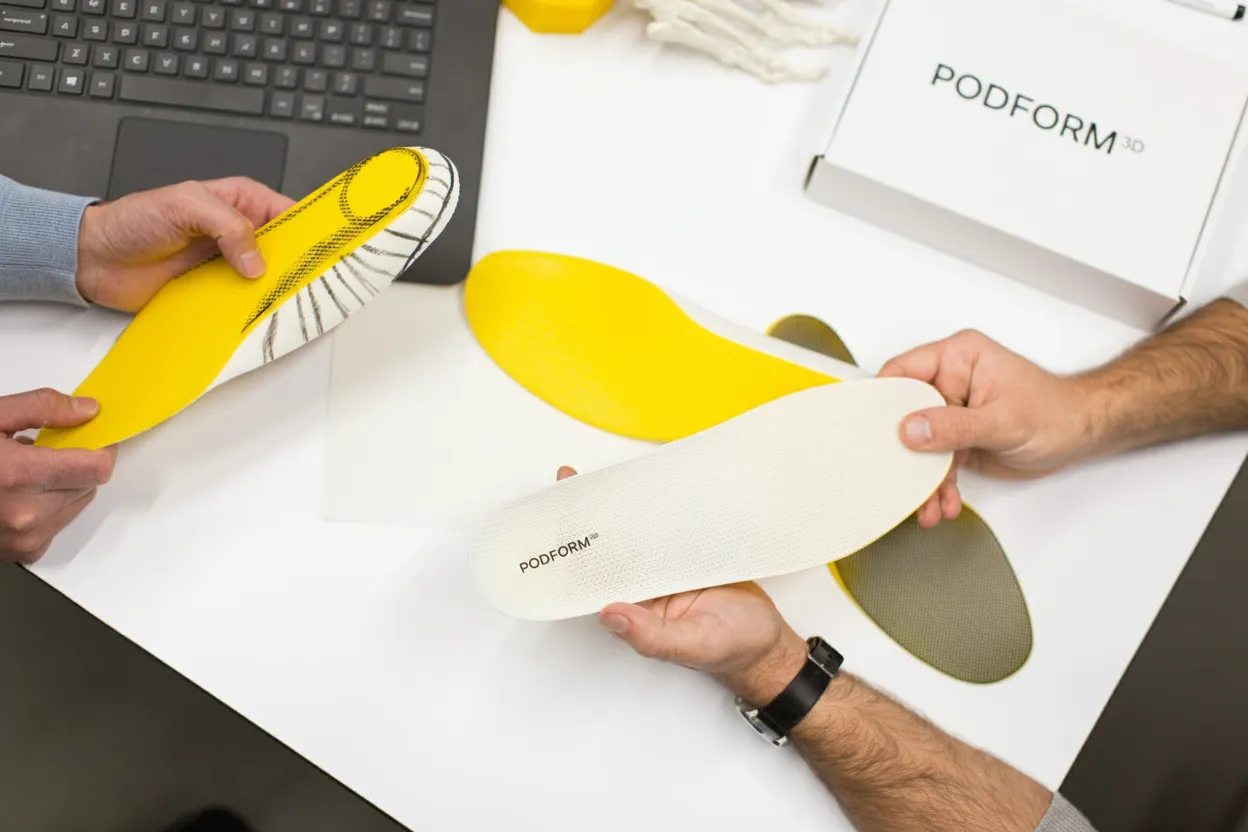
Print it in your clinic. Fit the patient. Observe. Gather feedback.
3. Evaluate Response
Open the digital file. Make targeted modifications.
4. Refine & Reprint
Print the revised version. Same day.
The digital file never dies. It becomes a living therapeutic tool you refine as the patient's condition evolves.
A Better Experience for Patients
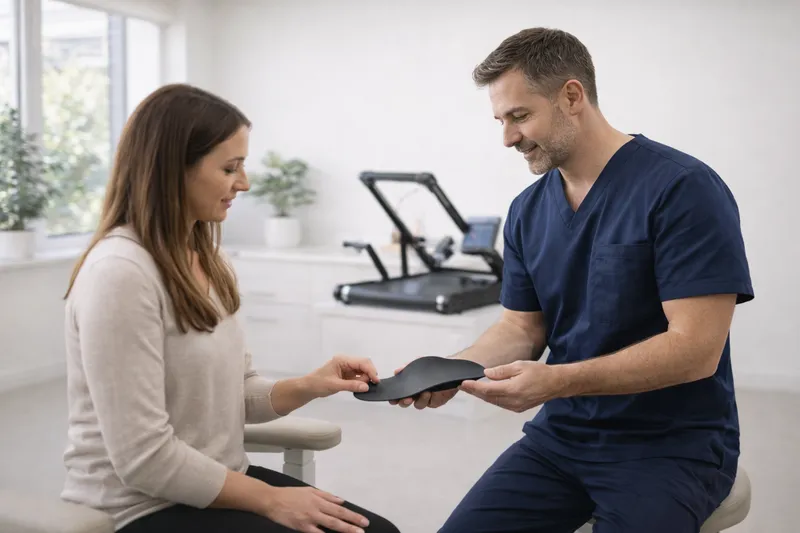
Patients feel the difference when their clinician can respond, not just prescribe.
Faster adjustments mean fewer visits with unresolved discomfort.
The process feels collaborative, not transactional.
Patients see that you are actively refining their treatment, not handing off a product and hoping for the best.
This Is Not Faster Manufacturing
Speed is a byproduct. The real shift is clinical.
- You keep the therapeutic logic in your hands.
- You iterate based on patient response, not lab availability.
- You treat the orthotic as part of an evolving treatment plan, not a one-time deliverable.
This is what dose-based orthotic therapy looks like. And in-clinic 3D printing is what makes it possible.
Ready to Practice Orthotic Therapy, Not Just Orthotic Delivery?
See how controlled iteration works in a live 30-minute demo.
Get a DemoBook a live demonstration with Dr. Bérubé.